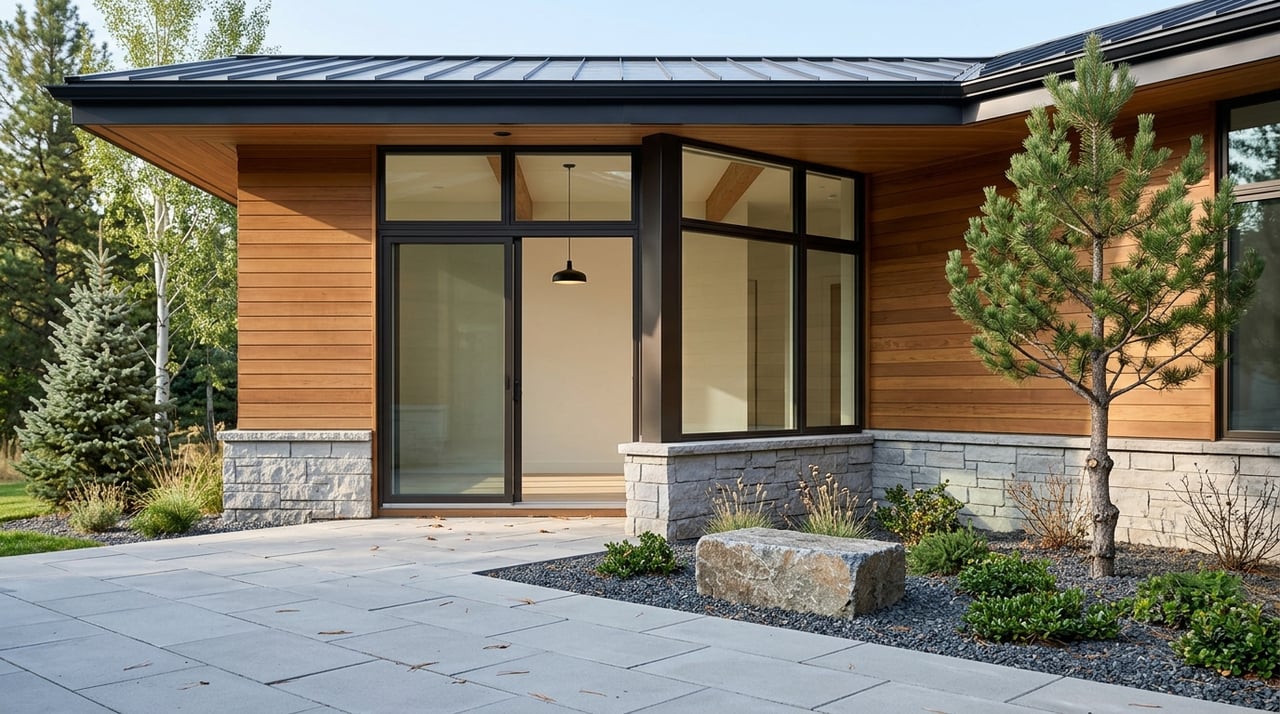
Thinking about buying a Breckenridge property for rental income? It is easy to get pulled in by packed ski weekends, strong nightly rates, and the town’s year-round appeal. But in a high-price resort market like Breckenridge, the real question is not just whether a property can rent. It is whether the numbers, rules, and seasonality work for your specific plan. In this guide, you’ll get a practical look at rental potential, local short-term rental rules, and the due diligence steps that matter before you write an offer. Let’s dive in.
Why Breckenridge Draws Investors
Breckenridge is a small town with unusually large visitor demand. The town estimates a permanent population of about 4,863 residents in 2025, but says that number can rise above 39,000 during winter ski season and summer holiday periods. That kind of seasonal demand is a big reason buyers keep looking at Breckenridge for second homes and income-producing property.
At the same time, this is not a simple vacation rental market. The town’s own visitor-capacity dashboard tracks traffic, parking, lodging occupancy, room nights, transit ridership, and other measures, and recent fluctuations have been described as relatively minor and still too early to call a true trend. A March 2026 town budget memo also projected accommodations-tax revenue down 9% to 12% through April 2026, based on the latest occupancy forecast, which is a good reminder that even a popular destination can soften during shoulder periods.
Breckenridge Entry Prices Matter
If you are underwriting an investment in Breckenridge, your purchase price matters just as much as your rental outlook. Zillow reported an average home value of $1,198,068 and a median sale price of $1,220,000 as of February 28, 2026. Redfin reported a March 2026 median sale price of $1.35 million.
Those are meaningful entry points. In a market where prices are already elevated, even a modest revenue miss can have an outsized impact on your return. That is why a property that looks exciting on a peak-weekend income estimate may not look nearly as strong once you spread performance across the full year.
What Short-Term Rental Revenue Looks Like
Public rental datasets offer a useful starting point, but you should treat them as broad benchmarks, not guarantees. AirROI’s April 2025 through March 2026 Breckenridge dataset shows average annual Airbnb revenue of $59,641, occupancy of 37.1%, average daily rate of $561, and RevPAR of $220. It also reports an average booking lead time of 65 days and an average stay length of 4.6 nights.
Seasonality is a major part of the story. According to AirROI, February is the strongest month and May is the weakest. Peak season, including February, December, and January, averaged about $11,759 in monthly revenue, 50.2% occupancy, and a $776 ADR, while low season averaged about $3,348 in monthly revenue, 29.0% occupancy, and a $444 ADR.
That spread matters when you build a pro forma. If a seller or listing makes a property sound strong because of winter bookings, you need to test whether the annual numbers still work once spring and shoulder-season performance are included. In Breckenridge, the gap between a great month and a weak month can be significant.
Why Citywide Data Can Be Misleading
One of the biggest mistakes investors make is relying too heavily on one marketwide occupancy number. In Breckenridge, public trackers do not line up perfectly. Airbtics reported a March 12, 2026 market summary of about $72,000 annual revenue, 61% occupancy, and a $315 nightly rate, while AirROI showed 2,967 active Airbnb listings and 37.1% occupancy.
That difference does not automatically mean one source is wrong. The town’s tourism office says it tracks roughly 2,900 of the town’s 4,100 licensed lodging units within town limits, which helps explain why platform datasets and town-level counts do not match exactly. The better takeaway is that you should use address-level comps and stick with one consistent method when comparing opportunities.
Location Within Breckenridge Changes the Math
Not all Breckenridge properties perform the same way. AirROI identifies Peak 8, Historic Main Street, and Breck Ski Resort Base as the strongest subareas in its dataset. In practical terms, that suggests ski access and walkable core locations often have a different demand profile than quieter residential pockets.
For you as a buyer, this means the townwide average is only the starting point. A condo near the lifts and a home in a more residential setting may both be in Breckenridge, but they can have very different occupancy patterns, booking lead times, and nightly rate ceilings. Good underwriting starts with the exact parcel, not the zip code.
Gross Yield vs Real Return
At first glance, Breckenridge rental revenue can look attractive. Using public benchmarks, the gross-yield proxy is roughly 5.0% if you divide AirROI’s $59,641 annual revenue by Zillow’s $1,198,068 average home value. Using Airbtics’ $72,000 annual revenue against Zillow’s $1.22 million median sale price, the gross-yield proxy is closer to 5.9%.
That gives you a practical gross revenue band of about 5% to 6% before expenses. But gross yield is not the same as net return. In Breckenridge, the fixed local cost structure is meaningful, and once you layer in operating expenses, your true cap rate will usually land lower.
Local Fees and Taxes You Need to Model
Breckenridge has direct local costs that can materially change your underwriting. The town charges an annual accommodation-unit license fee of $75 to $175 depending on bedroom count, plus a regulatory fee of $756 per studio or bedroom per year. The town’s own FAQ gives an example of a four-bedroom home owing $3,199 in annual license and regulatory fees.
That fee load alone is substantial. Based on AirROI’s average annual revenue benchmark, that example would equal about 11.7% of gross annual revenue before cleaning, management, HOA dues, insurance, utilities, or repair reserves. The town also levies a 12.275% sales-and-accommodations tax on lodging and a 1% real-estate transfer tax on the gross consideration for property purchases.
This is where disciplined underwriting matters. In a market with high acquisition costs and real local operating expenses, many properties that appear promising on gross income can settle into low- to mid-single-digit net cap rates once the full expense stack is modeled.
Breckenridge STR Rules to Know
If a property is inside Breckenridge town limits, any rental under 30 consecutive days requires a valid accommodation-unit license. The town says owners must obtain that license before advertising the property. That requirement applies no matter how the rental is marketed, including management companies, Airbnb, Vrbo, newspaper ads, or word of mouth.
Breckenridge uses a four-zone short-term rental system: Resort Properties, Tourism Zone or Zone 1, downtown core or Zone 2, and residential areas or Zone 3. License availability depends on the zone, and the town says availability is tracked by zone and updated every three months. The latest published snapshot on the town page is dated December 2025.
Here is what that snapshot showed:
| STR Zone | Current Licenses | Cap | Availability |
|---|---|---|---|
| Resort Properties | 1,719 | Not shown as capped in the published snapshot | No waitlist |
| Zone 1 | 1,225 | 1,680 | 467 available |
| Zone 2 | 130 | 130 | 0 available |
| Zone 3 | 1,058 | 390 | 0 available |
The town also says the caps did not force existing licensed units off the market. Instead, the caps affect future availability. That distinction matters if you are evaluating a property with a historical rental pattern and trying to understand what happens after closing.
Licenses Do Not Transfer at Closing
This is one of the most important details in the entire process. Breckenridge says short-term rental licenses are nontransferable when a property sells. So even if the current owner has an active license, you should not assume that license carries over to you.
That can change the value of a deal quickly. A property that has been rented in the past may not offer the same path for a new owner, especially in a zone with no available licenses. Before you rely on projected rental income, verify the parcel’s zone and current licensing path with the town’s GIS resources and the Summit County Assessor map.
HOA Rules Can Override Your Plan
Town approval is only part of the analysis. Breckenridge also notes that individual HOAs may have their own restrictions and covenants. That means a property can be allowed at the town level and still be blocked or limited by the homeowners association.
As you review a property, confirm whether the HOA allows short-term rentals at all. You should also review any minimum-stay requirements, parking rules, quiet-hours rules, or operational restrictions that may be stricter than town code. For condo buyers in particular, this step is not optional.
Operating Rules Affect Day-to-Day Management
Breckenridge’s rules go beyond getting licensed. Town code sets the overnight occupancy limit at two people per bedroom plus four additional persons for non-studio units, with studios capped at four. Advertisements must prominently display both the town business license number and the maximum overnight occupancy.
The town also requires a responsible agent to be available 24 hours a day, 7 days a week, with a response time of 60 minutes. If you plan to self-manage from outside the area, that standard may be difficult to meet. The town’s 2026 compliance update says staff use software to scan online listing platforms and match ads to property records, and unlicensed listings can face enforcement.
Most active licenses expire annually on December 31, and renewals are sent 60 days ahead of expiration. The same update says continued noncompliance can trigger fines of up to $1,000 per day and a $30,000 lien. In short, this is a market where operational discipline matters.
A Small Exception for Some Primary Residences
Breckenridge does offer a narrow hybrid-use path for some primary residences. The town says the regulatory fee is not imposed when the license holder’s primary residence is rented for no more than 21 days per year. That may be relevant if you are looking at a second-home strategy that includes occasional personal use and limited rental activity.
Still, this is a narrow exception, not a broad investor shortcut. You would want to verify whether your intended use actually qualifies before relying on it in your planning.
What to Check Before You Write an Offer
Before you go under contract, it helps to pressure-test the deal from several angles. Here are the questions I would want answered early:
- Is the property inside Breckenridge town limits?
- Which short-term rental zone applies to the exact parcel?
- If the seller has rented it before, what happens to that status after closing since licenses do not transfer?
- Does the HOA allow short-term rentals, and are there stricter rules on stays, parking, or quiet hours?
- What are the true annual costs including town fees, taxes, HOA dues, management, cleaning, insurance, utilities, and reserves?
- Does the income projection properly account for seasonality, especially the difference between February and May?
- If you plan to self-manage, can you realistically meet the 24/7, 60-minute response requirement?
- If this is a part-time personal-use property, does your use plan still make sense if rental activity is limited?
These questions are where solid investment decisions are made. In Breckenridge, small details can change your returns more than broad market headlines.
My Take on Breckenridge Rental Potential
Breckenridge can absolutely be a compelling market for the right buyer. Demand is real, the destination appeal is strong, and well-located properties can benefit from premium seasonal pricing. But this is also a high-cost, tightly regulated market where broad averages can hide a lot of risk.
If you are evaluating a Breckenridge purchase, the smartest move is to underwrite conservatively. Use address-specific rental comps, verify zoning and license status before you write an offer, and model the full expense picture instead of stopping at gross revenue. If you want a practical second set of eyes on the numbers and the tradeoffs, Seth Larson can help you think through the purchase with a clear, ROI-minded approach.
FAQs
What is the average Airbnb revenue in Breckenridge?
- AirROI’s April 2025 to March 2026 dataset shows average annual Airbnb revenue of $59,641 in Breckenridge.
What is the strongest rental season in Breckenridge?
- AirROI says February is the strongest month, while December and January are also part of peak season.
Do Breckenridge short-term rental licenses transfer to a new owner?
- No. The town says accommodation-unit licenses are nontransferable when a property sells.
Do you need a license for short-term rentals in Breckenridge?
- Yes. Within Breckenridge town limits, a valid accommodation-unit license is required for rentals under 30 consecutive days, and the town says you must obtain it before advertising.
Can an HOA block short-term rentals in Breckenridge?
- Yes. The town says individual HOAs may have their own restrictions and covenants, so a property can be allowed by the town and still restricted by the association.
What local fees should investors model for Breckenridge rentals?
- At a minimum, you should model the town’s annual license fee, the regulatory fee, lodging taxes, the 1% real-estate transfer tax at purchase, and property-level costs like HOA dues, management, cleaning, insurance, utilities, and reserves.
What occupancy limits apply to Breckenridge short-term rentals?
- Town code sets overnight occupancy at two people per bedroom plus four additional persons for non-studio units, with studios capped at four.
Is Breckenridge a good market for investment property?
- It can be, but the answer depends heavily on the property’s location, zone status, licensing path, HOA rules, seasonality, and full expense structure.