If you price your Longmont home too high, you may lose the strongest buyers before they ever step through the door. If you price it too low, you risk leaving money on the table. The good news is that you do not have to guess. With the right local data, a clear look at your home’s condition, and a smart marketing plan, you can price with confidence. Let’s dive in.
What Longmont pricing looks like right now
Longmont is still an active market, but it is not a market that rewards wishful pricing. In the March 2026 year-to-date local REALTOR® snapshot, the median single-family sales price was $582,000, the average list-price received was 98.2%, median days on market were 73, and inventory stood at 203 homes, or about 2.2 months of supply.
That combination matters. Buyers are still buying, but they are paying close attention to value. When homes are generally selling at about 98.2% of list price, there is not much room to overshoot and hope the market catches up.
Other market sources point in the same general direction, even though they use different methods and timeframes. Zillow reported a typical Longmont home value of $558,920, a median sale price of $549,667, a sale-to-list ratio of 0.991, and median days to pending of 23. Redfin showed a March 2026 median sale price of $575,000 with about 52 days on market, while Realtor.com reported a March 2026 median list price of $584,900, a 100% sale-to-list ratio, and 33 days on market.
The key takeaway is simple: Longmont homes are moving, but buyers are price-sensitive. A strong list price should reflect the current market, not just the highest number you have seen online.
Why neighborhood comps matter most
One of the biggest pricing mistakes sellers make is leaning too hard on citywide averages. Longmont has meaningful price differences by area, so your ZIP code and immediate competition matter more than broad market headlines.
For example, Realtor.com shows median listing prices of about $770,000 in 80503, $574,975 in 80504, and $509,500 in 80501. That is a wide spread within the same city. If you price your home based on a Longmont average instead of your local comp set, you can easily miss the mark.
County data can be helpful for background, but it should not drive your list price. Boulder County’s March 2026 year-to-date single-family median sales price was $818,360, which is well above Longmont’s local median. That tells you countywide numbers are too broad to use as a direct pricing guide for most Longmont listings.
How a strong list price gets built
A smart list price starts with the most relevant recent sold comps. Fannie Mae guidance says comparable sales should match the subject property as closely as possible in physical and legal characteristics, including site, room count, finished area, style, and condition. It also says that comps from the same market area should be used when possible and that at least three closed comparable sales should be reported, with sales from the last 12 months generally preferred.
That is important because asking prices do not prove value. Sold properties show what buyers were actually willing to pay. In a market like Longmont, where sale-to-list ratios are clustering around 98.2% to 100%, pricing needs to be supported by real market evidence.
A solid pricing strategy usually looks at three layers:
- Recent sold comps to anchor value
- Active listings to see your current competition
- Buyer reaction to understand how the market is likely to respond
If the sold comps support a certain range, but the active competition is stronger in finish level, updates, or presentation, your list price may need to adjust. Pricing is never just about square footage. It is about how your home compares to what buyers can choose right now.
Why overpricing often backfires
It is natural to want a little extra room for negotiation. Many sellers ask whether they should list above comps and work downward later. In Longmont’s current market, that strategy can create more risk than reward.
Because buyers are already showing price discipline, an inflated list price can reduce early interest. That matters because your strongest buyer activity often happens in the first days and weeks after your home hits the market. If the price feels off, buyers may skip the showing or wait to see if you reduce.
Once a home sits, buyers start asking questions. They may wonder whether the home is overpriced, whether something is wrong, or whether the seller will become more flexible later. That can weaken your negotiating position, even if the home itself is appealing.
A well-priced home does not mean underpricing. It means entering the market at a number that is competitive, defensible, and likely to attract serious attention.
How condition affects your price
Your home’s condition has a direct impact on value and marketability. Fannie Mae’s appraisal guidance says appraisers must consider all value-affecting factors and describe property condition and quality in factual terms. It also notes that deferred maintenance, needed repairs, and unpermitted additions can affect both value and buyer interest.
That means pricing is not just about location and size. Two homes with similar floor plans can land at very different price points if one feels move-in ready and the other shows wear, unfinished work, or missing permit documentation.
Before you list, gather the information that helps support value:
- Recent repair and maintenance records
- Permit documentation for additions or major projects
- A clear list of known condition issues
This helps keep the pricing conversation grounded in facts. It also reduces surprises later during inspection, appraisal, or buyer due diligence.
Which updates tend to help most
Not every renovation adds equal resale value. According to NAR’s 2025 Remodeling Impact Report, 46% of buyers were less willing to compromise on home condition. That means visible, practical improvements can matter a lot.
The same report found that painting the entire home, painting one room, and new roofing were among the top projects REALTORS® recommended before selling. It also showed increased buyer demand over the last two years for kitchen upgrades, new roofing, and bathroom renovations.
That does not mean you should rush into a major remodel before listing. In many cases, targeted improvements with strong visual impact are more effective than expensive projects that do not match buyer priorities.
A few updates that may support pricing and presentation include:
- Fresh interior paint
- Roof replacement, if needed
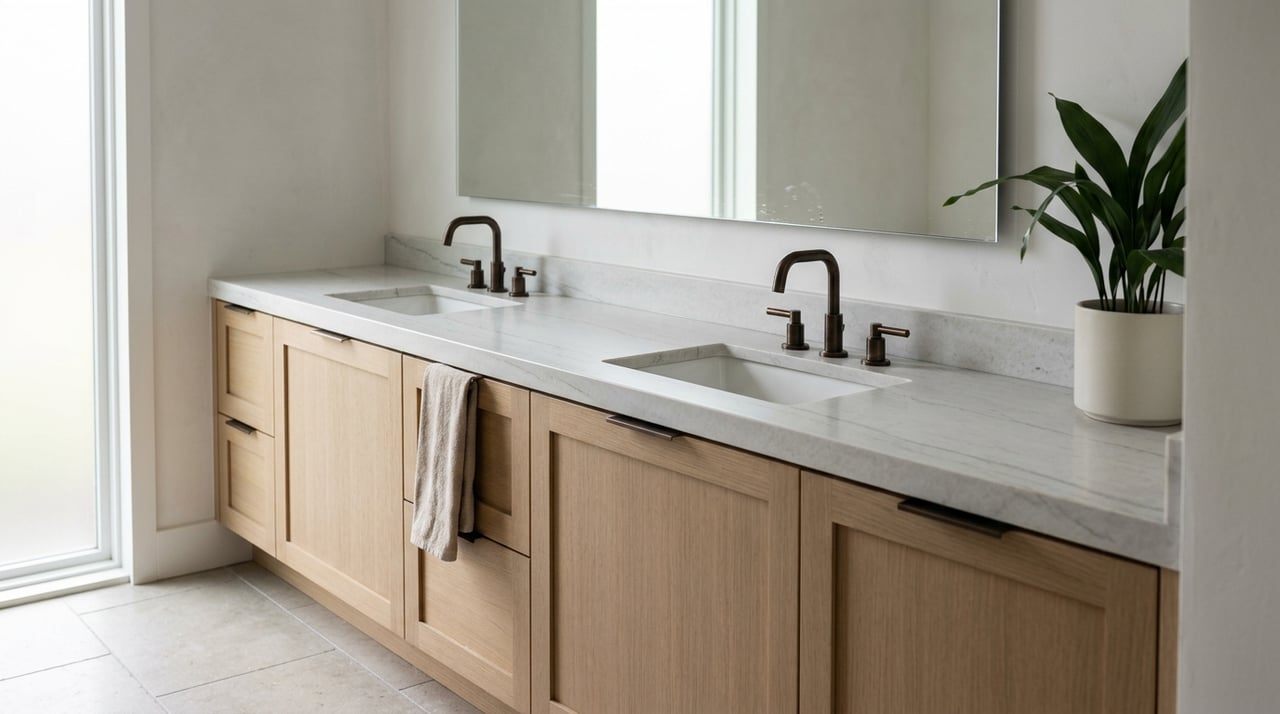
- Bathroom improvements with broad appeal
- Kitchen updates that improve function and appearance
- A new steel front door, which NAR estimated at 100% cost recovery
The best pre-listing work depends on your home, your likely buyer pool, and your price point. A focused plan usually performs better than a long list of upgrades done without a return-on-investment strategy.
Presentation supports pricing power
Price and presentation work together. Even a well-priced home can lose momentum if it does not show well online or in person.
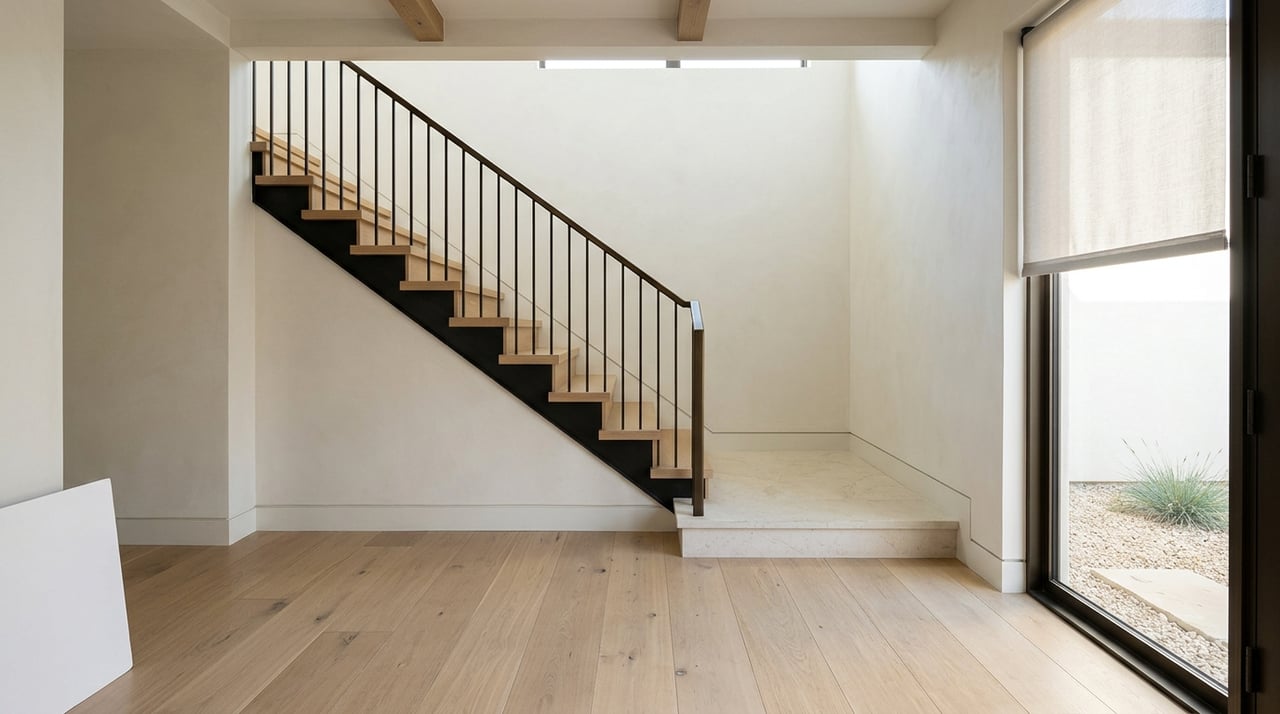
NAR’s 2025 staging survey found that 29% of agents said staging increased the dollar value offered by 1% to 10%, and 49% said it reduced time on market. The same research highlighted the importance of photos, physical staging, videos, and virtual tours to buyers’ agents.
This is one area where preparation can directly support your pricing strategy. When buyers see a home that feels clean, bright, and move-in ready, they are more likely to connect with the value you are asking them to pay.
That is why professional photography, 3D tours, and thoughtful presentation matter so much. They help your home compete more effectively from day one and can make your pricing feel more justified in the eyes of buyers.
A practical pricing plan for Longmont sellers
If you want to price your Longmont home for a successful sale, focus on a process that is realistic and local. A strong pricing plan should balance data, condition, competition, and presentation.
Here is a practical approach:
- Start with recent nearby sold comps that closely match your home.
- Adjust for differences in size, style, condition, and features.
- Review active listings that buyers will compare against your home.
- Account for repairs or upgrades that affect value or marketability.
- Prepare the home for launch with strong visuals and polished presentation.
- Choose a price that invites action, not hesitation.
In Longmont, the goal is not to chase the highest possible list price on paper. The goal is to position your home so buyers see the value quickly and respond with confidence.
Final thoughts on pricing wisely
The right price is one of the most important decisions you will make when selling your home. In a market like Longmont, where list-to-sale ratios are tight and neighborhood differences are real, success usually comes from precision, not guesswork.
When your price is grounded in recent sold comps, shaped by your home’s actual condition, and supported by strong marketing, you give yourself the best chance at a smoother sale and a stronger result. If you want a pricing strategy that reflects both the numbers and the way buyers actually shop in Longmont, connect with Seth Larson for a free home valuation.
FAQs
How should I price my home in Longmont, CO?
- Start with recent sold comps in your immediate area, then adjust for condition, size, style, and current competition. In Longmont, neighborhood-level data is often more useful than citywide averages.
Should I list my Longmont home above market value to leave room to negotiate?
- Usually, that is risky in the current Longmont market. Recent local data shows homes are generally closing close to list price, which suggests buyers are watching value carefully.
Do home upgrades always increase resale price in Longmont?
- No. Visible, practical updates often help more than expensive projects that do not align with buyer demand. Condition, repairs, and overall presentation all play a role.
What records should I gather before pricing my Longmont home?
- Gather repair records, permit documentation for major work or additions, and a short list of condition issues that could affect value, appraisal, or buyer confidence.
Why do Longmont ZIP codes matter when setting a list price?
- Longmont pricing can vary significantly by area. For example, reported median listing prices differ meaningfully between 80503, 80504, and 80501, so the most relevant comps are usually the most local ones.
Can staging help my Longmont home sell faster?
- Yes. NAR’s 2025 staging survey found that many agents believed staging reduced time on market, and some also reported higher dollar offers after staging.